





Chiropractors must identify "Red Flags" in patient assessments to prevent misdiagnosis and ensure safe administration of Red Flags Chiropractic Treatment. Key red flags include severe headaches with neurological symptoms. Strategies for accurate diagnosis involve detailed history taking, comprehensive physical exams, advanced imaging, continuous professional development, and consultation with medical colleagues. Implementing these practices improves outcomes, enhances diagnostic accuracy, and maintains the integrity of chiropractic care.
Inadequate examination and diagnosis remain significant challenges within the healthcare landscape, particularly in chiropractic treatment. Red Flags, indicators of underlying issues that demand urgent attention, are often overlooked or misinterpreted. This can lead to delayed or inappropriate care, exacerbating patient conditions. As experts, we must prioritize thorough evaluation and accurate diagnosis to ensure optimal outcomes. This article delves into the nuances of identifying red flags, offering practical strategies for enhancing diagnostic accuracy, and ultimately improving patient care and satisfaction in chiropractic treatment.
- Recognizing Red Flags in Patient Assessment
- Misdiagnosis: Causes and Consequences for Chiropractic Care
- Effective Strategies for Accurate Diagnosis & Treatment Planning
Recognizing Red Flags in Patient Assessment

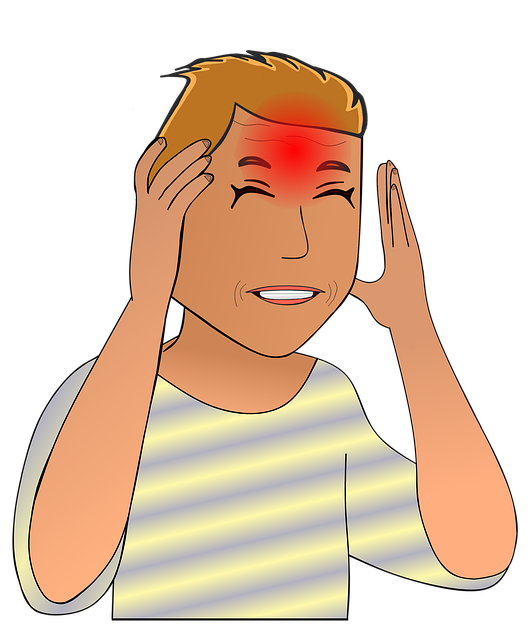
Recognizing Red Flags in Patient Assessment is a critical skill for healthcare professionals, particularly chiropractors, as it can significantly impact treatment outcomes. Red flags are clinical indicators suggesting underlying conditions that may contraindicate or complicate chiropractic treatment. Chiropractors must be adept at identifying these signals early in the assessment process to ensure patient safety and effectiveness of care. For instance, severe or persistent headaches accompanied by nausea and visual disturbances could point to a more serious neurological issue, prompting a cautious approach to chiropractic manipulation.
One of the key aspects is understanding when to refer patients for further specialist evaluation. Conditions such as acute cervical radiculopathy, where there’s obvious nerve compression causing pain, numbness, or weakness in the limbs, should be managed conservatively initially and referred to neurology or orthopedic specialists if not improving. Similarly, patients presenting with significant joint instability, severe deformities, or a history of recent trauma may require specialized care, including imaging studies, before considering chiropractic adjustments, especially for Red Flags Chiropractic Treatment. Early recognition of these red flags can help avoid potential harm from inappropriate treatment and ensure patients receive the most appropriate care.
Practical advice for chiropractors includes developing a systematic approach to patient assessment, incorporating detailed case history taking and comprehensive physical examinations. Regular updates on evidence-based practices and staying current with relevant medical literature are essential to identify emerging red flags. Additionally, maintaining open lines of communication with referring physicians can facilitate early detection of complex cases, fostering better collaborative care. By adopting these strategies, healthcare providers can enhance their ability to recognize red flags, ultimately improving patient outcomes and ensuring the safe administration of chiropractic treatments.
Misdiagnosis: Causes and Consequences for Chiropractic Care

Misdiagnosis in chiropractic care is a complex issue with significant implications for patients and practitioners alike. It occurs when a chiropractor fails to accurately identify or communicate a patient’s condition, leading to inappropriate treatment plans. This can be particularly concerning as chiropractic adjustments are often tailored to specific spinal conditions, and deviating from these protocols may result in adverse outcomes. Red flags for chiropractic treatment naturally include symptoms that suggest serious medical conditions such as vertebral artery dissection or nervous system injuries, which require immediate medical attention.
Several factors contribute to misdiagnosis. First, the vast array of potential spinal pathologies can make accurate assessment challenging, especially for less experienced practitioners. Second, patients may present with ambiguous or non-specific symptoms, making diagnosis even more complicated. Additionally, communication gaps between chiropractor and patient can lead to misunderstandings about the scope of treatment. For instance, a patient might not fully disclose relevant medical history or current medications, affecting the diagnostic process. According to a study published in the Journal of Chiropractic Medicine, misdiagnosis rates in chiropractic clinics range between 6-12%, emphasizing the prevalence and potential impact of this issue.
To mitigate misdiagnosis risks, chiropractors should adhere to rigorous standards. These include comprehensive patient history intake, thorough physical examinations, and utilizing advanced diagnostic imaging when necessary. Continuous professional development and staying abreast of clinical research are also vital. In cases where conditions are unclear or severe, consulting with medical colleagues can ensure the best course of action. By implementing these strategies, chiropractors can enhance their diagnostic accuracy, improve patient outcomes, and maintain the integrity of chiropractic care.
Effective Strategies for Accurate Diagnosis & Treatment Planning

Inaccurate diagnoses and inadequate examinations can lead to suboptimal treatment outcomes, especially in complex cases. Chiropractic care, known for its conservative approach to musculoskeletal disorders, demands meticulous assessment strategies to identify Red Flags that may indicate more severe conditions requiring urgent attention. A comprehensive examination should encompass a detailed patient history, physical palpation, and specific diagnostic tests tailored to the presentation.
For instance, a patient presenting with neck pain might exhibit Red Flags such as acute onset, associated neurologic symptoms, or systemic complications. In such cases, advanced imaging like MRI or CT scans can provide crucial insights beyond what a manual examination reveals. Data suggests that early identification of these Red Flags through comprehensive assessments is associated with better patient satisfaction and functional outcomes, reducing the risk of missed diagnoses. Chiropractors should be adept at recognizing exceptional presentations to ensure timely intervention and appropriate referral when necessary.
Implementing structured assessment protocols, regular continuing education on diagnostic techniques, and staying updated with clinical guidelines can enhance accuracy. For instance, utilizing standardized questionnaires for patient history taking can streamline the process while capturing critical information. Moreover, integrating technology like digital palpation tools or specialized diagnostic equipment can improve sensitivity and specificity in examination, allowing practitioners to deliver more personalized treatment plans based on robust evidence.
By recognizing red flags during patient assessment, chiropractors can significantly reduce misdiagnosis rates, ensuring effective Red Flags Chiropractic Treatment. The article has highlighted critical causes of misdiagnosis, underscoring the need for thorough evaluation. Key insights include the importance of comprehensive history-taking and physical examinations, as well as staying updated with relevant research and clinical guidelines. Effective strategies for accurate diagnosis involve integrating advanced assessment tools and continuous professional development. Moving forward, chiropractors are encouraged to prioritize these practices to optimize patient outcomes, maintain professionalism, and uphold the authority of their field in delivering reliable care.